
frosted glass acid etching
Understanding Pump Check Valves Importance and Functionality In various industrial and commercial applications, the effectiveness and efficiency of fluid transfer systems hinge significantly on the components used within them. Among these components, pump check valves play a critical role in ensuring proper functionality. This article delves into the significance of pump check valves, how they work, and their applications across different industries. What is a Pump Check Valve? A pump check valve is a type of one-way valve that allows fluid to flow in only one direction—forward—while automatically preventing backflow. This characteristic is crucial for systems that involve pumping fluids, as backflow can cause damage to the pump, reduce efficiency, and lead to potential safety hazards. Check valves come in various designs, such as swing check valves, lift check valves, and diaphragm check valves. Each type has a specific mechanism that suits different operational demands, but all serve the primary purpose of ensuring unidirectional flow. How Do Pump Check Valves Work? The operation of a pump check valve is relatively straightforward. When the pump is activated, the pressure of the fluid opens the valve, allowing it to flow through the system. When the pump is turned off or if there is a drop in pressure, the internal mechanism closes the valve, preventing any backflow. This action helps maintain system integrity and ensures that the fluid reaches its intended destination without regression into the pump or other components. The design of the check valve—regardless of type—ensures that it can withstand the pressures and dynamics of the fluid flow. Materials used in manufacturing these valves vary, and they may include stainless steel, brass, and plastic, depending on the application's chemical compatibility and pressure requirements. Importance of Pump Check Valves The significance of pump check valves extends across a multitude of reasons 1. Protection of Equipment By preventing backflow, pump check valves protect the pump and other system components from damage. Frequent backflow can cause wear and tear, leading to costly repairs and inefficiencies. pump check valve 2. Improved System Efficiency By ensuring that fluids flow in a single direction, these valves contribute to the overall efficiency of the pumping system. This efficiency translates into reduced energy consumption and enhanced performance. 3. Safety Assurance Properly functioning check valves guard against unexpected surges in pressure or fluid reversal, which can be hazardous in certain applications. They are particularly critical in systems dealing with volatile or hazardous materials. 4. Regulatory Compliance Many industries are governed by strict regulations regarding equipment and safety standards. Installing reliable check valves can ensure compliance with these regulations, mitigating legal and financial risks. Applications Across Industries Pump check valves can be found in a wide range of industries, each benefiting from their unique functionalities - Water and Wastewater Management Check valves are pivotal in municipal water systems and wastewater treatment plants to prevent contamination and ensure the integrity of the water supply. - Chemical Processing In the chemical industry, maintaining the flow direction of reactive substances is essential to minimize hazardous situations, making check valves indispensable. - Oil and Gas Pump check valves play a critical role in maintaining flow direction in oil pipelines, preventing backflow that could disrupt operations or cause spills. - Food and Beverage In this industry, check valves are employed to ensure sanitary flow conditions, preventing backflow that could lead to contamination. Conclusion In summary, pump check valves are vital components in fluid transfer systems, providing essential benefits such as protection, efficiency, and safety. Their simplicity in design belies their importance, as they contribute significantly to the reliability and functionality of various industrial applications. Understanding their role is crucial for engineers, operators, and maintenance personnel aiming to optimize system performance and ensure safe operations in any liquid handling process. As industries continue to evolve, the relevance of pump check valves will undoubtedly remain robust, necessitating ongoing attention to their selection, installation, and maintenance.
about
frosted glass acid etching
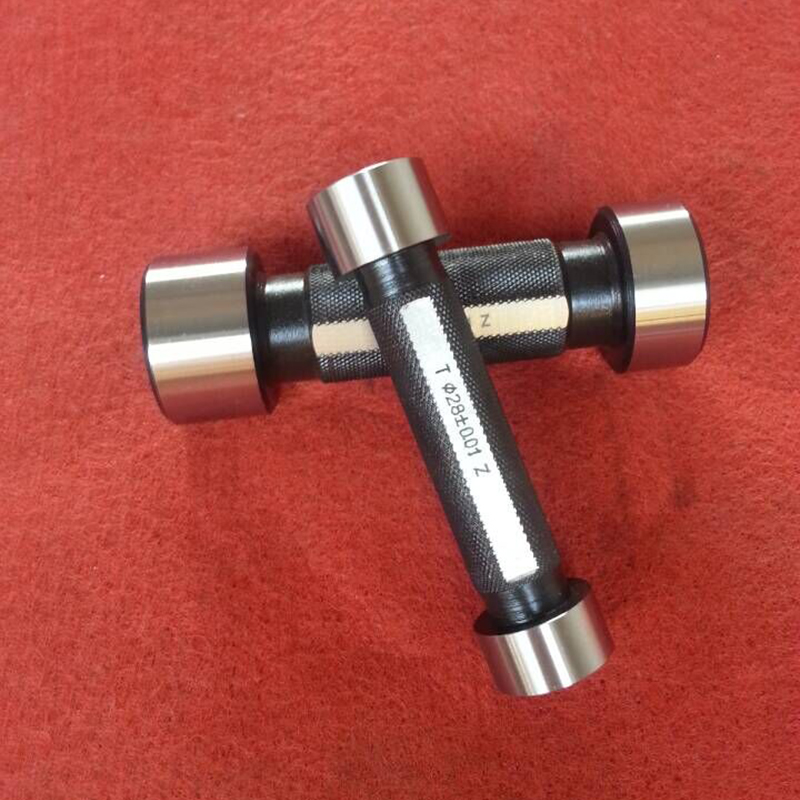
Understanding Thread Ring Gauge Standards Thread ring gauges are precision instruments utilized in manufacturing and quality control to measure the external dimensions of threaded components. They serve as indispensable tools for ensuring that threaded parts fit together correctly, which is crucial for various industrial applications. The significance of standardizing thread ring gauges lies in their ability to ensure compatibility and functionality among threaded components across different manufacturing processes. Definition and Function A thread ring gauge is a cylindrical tool featuring internal threads that conform to the specifications of a given standard thread profile. These gauges are categorized primarily into two types go gauges and no-go gauges. The go gauge checks whether a threaded part is within acceptable limits, while the no-go gauge ensures that it does not exceed maximum size tolerances. The effective use of these gauges guarantees that manufactured threads will engage adequately and resist failure during use. Importance of Standards The manufacturing of threaded components often takes place in diverse environments, utilizing varying equipment and materials. As a result, discrepancies in thread dimensions can occur, leading to compatibility issues. Hence, international standards are crucial in providing uniformity. Organizations such as the American National Standards Institute (ANSI), the International Organization for Standardization (ISO), and the German Institute for Standardization (DIN) develop and publish standards that specify thread dimensions, tolerances, and gauge specifications. These standards ensure that manufacturers adhere to consistent norms, thereby increasing the reliability of threaded joints. Thread Gauge Specifications The standards for thread ring gauges typically specify the following parameters thread ring gauge standard 1. Thread Profile This includes the shape and dimensions of the thread, which can vary, such as Unified National Thread (UN), metric threads, or British Standard Whitworth (BSW). Each profile has unique specifications governing its geometry. 2. Tolerances Tolerances dictate how much deviation from the nominal thread dimensions is permissible. These standards are critical for determining the 'fit' between engaging parts, influencing how tightly or loosely they will assemble. 3. Material and Treatment The materials used for gauges, such as tool steel or carbide, along with any necessary heat treatment processes, are specified to ensure durability and precision in measurements. 4. Calibration and Certification Regular calibration against master gauges is necessary to maintain accuracy over time. Certification from recognized standards organizations assures users that the gauges meet prescribed tolerances. Application Across Industries Thread ring gauges find applications across various sectors, including automotive, aerospace, and manufacturing. In these industries, the integrity of threaded connections is paramount for safety and performance. For instance, in the aerospace sector, any failure in threaded joints can have catastrophic consequences. As such, stringent adherence to thread ring gauge standards helps mitigate risks associated with these essential components. Conclusion In summary, thread ring gauge standards play a pivotal role in the manufacturing and quality assurance processes of threaded components. By adhering to internationally recognized specifications, manufacturers can ensure that their products meet necessary safety and functionality criteria. The standardized approach not only promotes interoperability between components but also enhances the overall reliability and performance of assembled products in critical applications. As industries continue to evolve, the importance of these gauges will only grow, underpinning the need for precision in an increasingly interconnected world.
-

High quality industrial productsagement

High quality industrial products
View Details -

Meet the diverse needs of customers

Meet the diverse needs of customers
View Details -

Strict quality control

Strict quality control
View Details -

Top raw materials

Top raw materials
View Details -

Trusted supplier

Trusted supplier
View Details
Our application

news and information

valve manufacturer
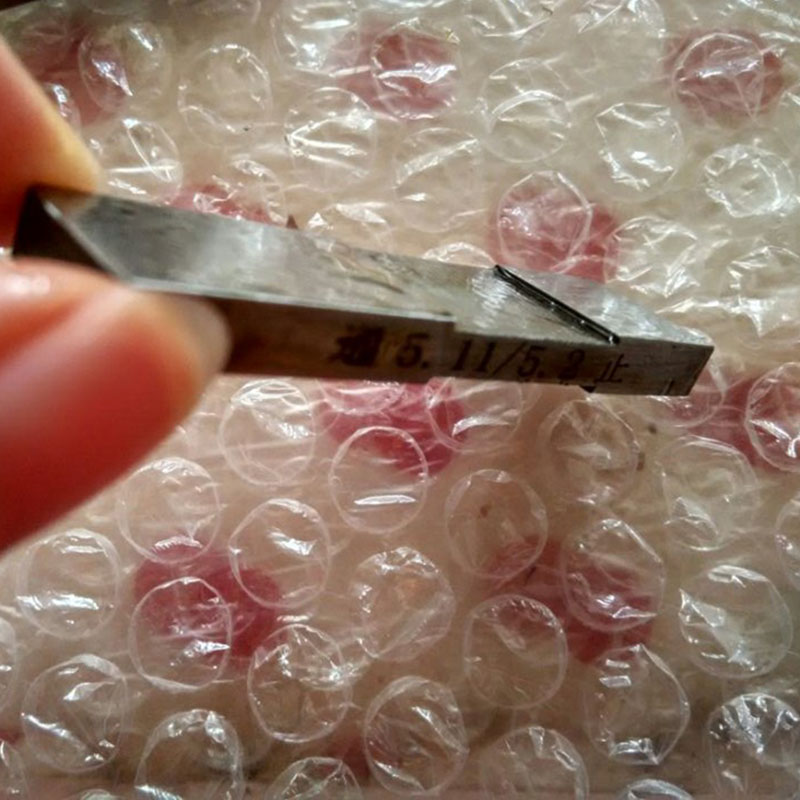
Navigating the landscape of valve manufacturers can be a challenging endeavor, particularly when sea

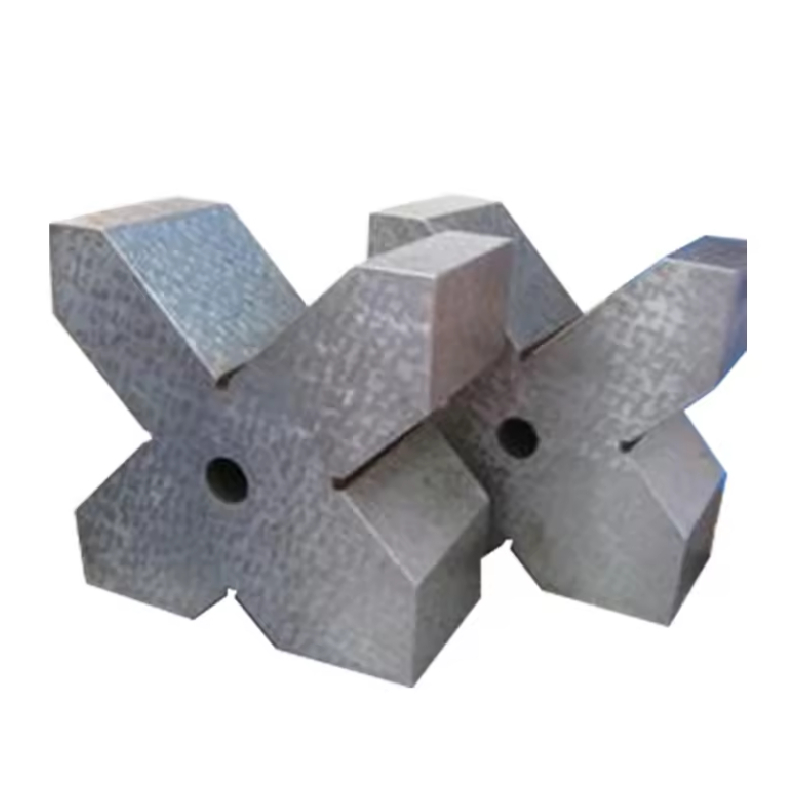
Vee Blocks Available for Purchase – High Quality Options to Choose From
Vee Blocks for Sale An Essential Tool for Precision Machining When it comes to precision machining,
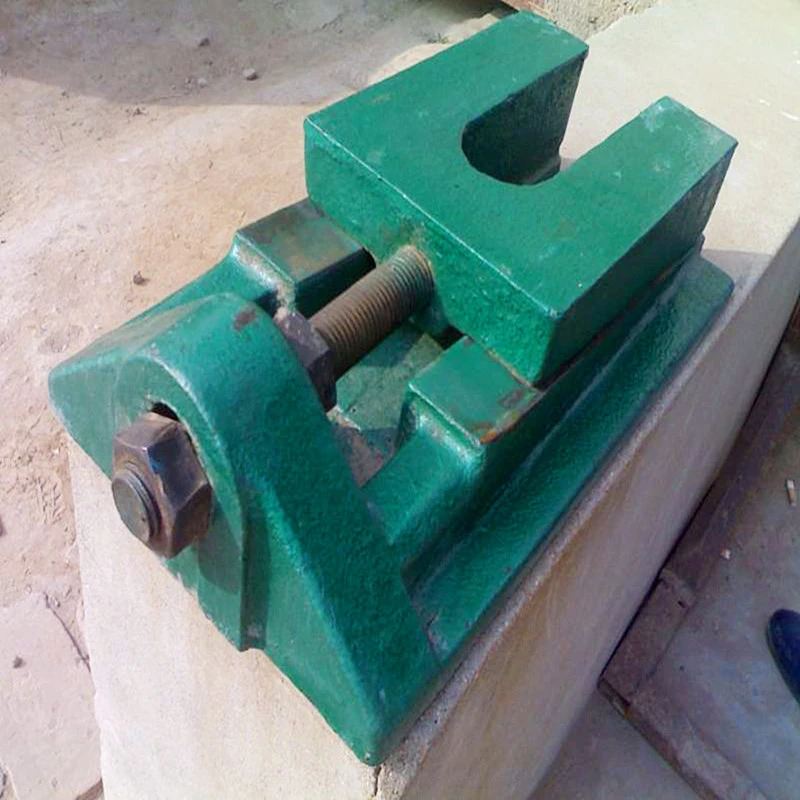
Versatile Clamps for 16mm Welding Tables to Enhance Your Metalworking Projects
Understanding 16mm Welding Table Clamps A Comprehensive Guide Welding is a fundamental process in me
 English